
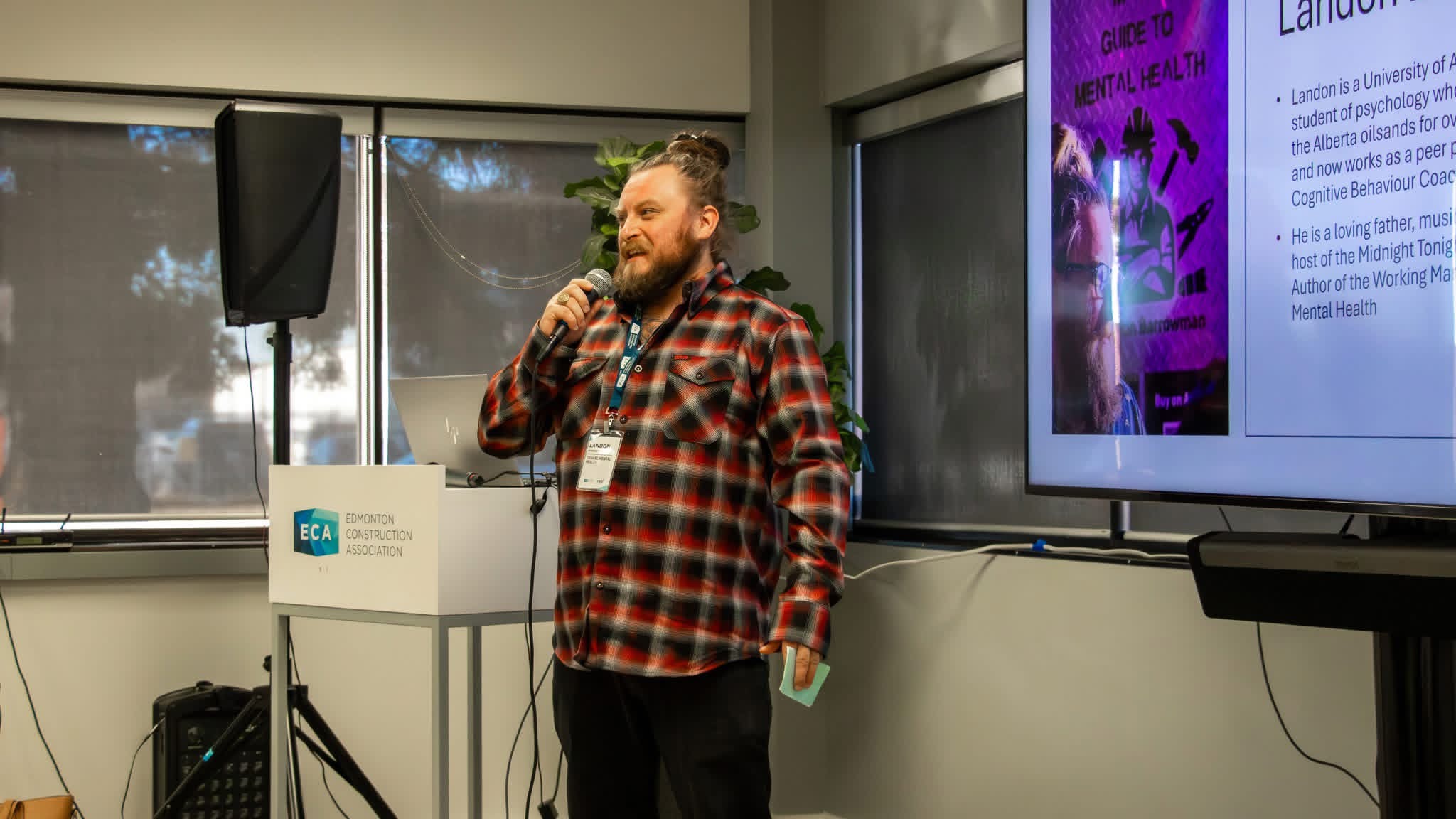
Triskel Mental Health
Author, The Working Man’s Guide to Mental Health
Developer, Mental Health Skills in the Trades Certification Course
From a Book to the Jobsite: How Mental Health Skills in the Trades Came to Be
When I first released The Working Man’s Guide to Mental Health, I thought I was simply putting words to experiences many tradespeople quietly carry, like my separation with my ex, or the custody battle that followed, or my cancer diagnosis or the death of my father. The response people had to my book showed me something bigger: people weren’t just resonating with the methods I used to help me through, they were asking for a way to use them too.
But that raised an important question I began asking myself during speaking engagements and book sales.
What about the people who don’t read?
Or don’t want to?
Or don’t have the time, energy, or habit of sitting down with a book after a long shift?
How do I reach them?
How do I give them the methods directly?
If the book stayed on Amazon, or on a shelf, or in my basement, then the people who needed these skills most might never actually get them. That didn’t sit right with me.
Finding the Right Format for the Trades:
The next step was an online lecture series, a way to make the material more accessible and easier to engage with. That helped, but it still didn’t solve the core issue: how do we reach people where they actually are. Which is on site, in camp, or in a training room?
The answer came from the trades themselves.
Construction workers already understand structured training. H2S. SCBA. Fall Arrest. Confined Space. These courses aren’t optional; they’re practical, standardized, and delivered in a classroom setting that respects people’s time and intelligence.
So, instead of asking tradespeople to adapt to mental health education, I adapted mental health education to the trades.
That’s how the Mental Health Skills in the Trades course was built: a classroom-based, skills-focused training delivered in the same familiar format as other essential safety courses.
What This Course Actually Teaches:
This isn’t a conversation about mental health; it’s a skills course.
Participants don’t just hear about stress or burnout; they actively learn and practice tools they can use immediately, both on-site and at home. The course includes:
• Box breathing and controlled breathing techniques to regulate the nervous system under pressure
• Behaviour scheduling to break cycles of burnout, avoidance, and exhaustion
• Somatic quieting methods to settle the body when stress is stored physically
• Thought records to slow reactive thinking and regain perspective
• Recognizing cognitive distortions so workers can catch unhelpful thinking patterns before they spiral
These aren’t abstract ideas. They’re practiced in real-time, using everyday scenarios that tradespeople recognize, conflict on site, fatigue, frustration, financial pressure, family strain, and high-stress decision-making.
The goal isn’t perfection. It’s awareness, regulation, and balance. Building these skills that compound over time.
Taking the Course Into the Field:
This course is now being presented to multiple construction companies and industry groups, with the aim of making mental health skills as normal and as expected as any other form of safety training.
One of the most meaningful affirmations of this work came through conversations with a researcher involved in the fly-in/fly-out mental health research conducted in 2021. She’s been clear with me: this work matters because it teaches actual skills, not just awareness campaigns, posters, hashtags, or photo opportunities.
We’ve had plenty of “let’s talk about mental health” initiatives over the years. What’s been missing is equipping people with tools they can use long after the conversation ends.
This course is designed to do exactly that.
Why This Matters Beyond the Jobsite:
The real impact of this work doesn’t stop at the gate.
When tradespeople learn how to regulate emotions, monitor stress, and think more clearly under pressure, it follows them home. It changes how they respond to their partners, their kids, and themselves. It models emotional awareness and balance for the next generation, not through lectures, but through lived example.
That’s how lasting change happens: quietly, practically, and consistently.
Mental health skills aren’t a trend. They’re foundational, and the trades have been primed for this kind of work all along.
The photo-op is over. Let’s actually do something now!